

Primary school
For more than 15 years fosforo: has been bringing STEM skills into schools through informal learning activities, and we are already working with several schools on PNRR pathways.
We are on MePA – acquistinretepa.it, the Italian public administration’s procurement portal.
Get in touch and we’ll find the best solution to develop STEM skills in your school or to create training courses, with a project tailored to your pupils and your needs!
The activities
The workshops in the pathways can be chosen from those on our website, in the “WHAT WE DO – SCHOOLS” section, with the timing and number of repetitions we agree on together to make the most of the time available. If you can’t find what you’re looking for, call us!
The experts
The pathways will include various activities run by the science communicators of fosforo: the science festival, which has been bringing hands-on workshops into schools for more than 14 years. In addition to the external expert, we can provide a second staff member to act as tutor.
The trainers
Together we can design training pathways for teachers on innovative teaching methods, the educational and technical management of digital tools, training and professional development in digital skills and much more, according to the needs of each school.
Day activities
A session held in the classroom, in the morning or afternoon, to explore a specific topic through scientific demonstrations, experiments and hands-on activities. An opportunity to spark children’s curiosity about science.
The session lasts 90 minutes and is for a maximum of 30 students.
Contact us!Nature and the human body
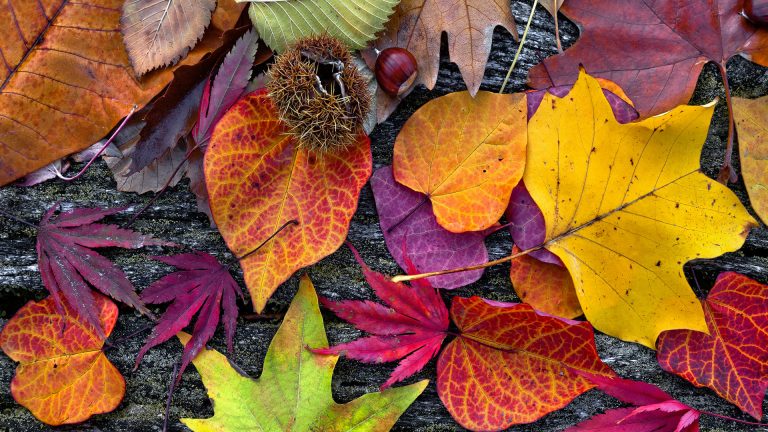
Leaf hunt
A true forest explorer must be able to recognise the plants around them. We are part of this beautiful world governed by nature, and together we will learn about its different elements, building with our own hands the tools we need to identify plants and their leaves!
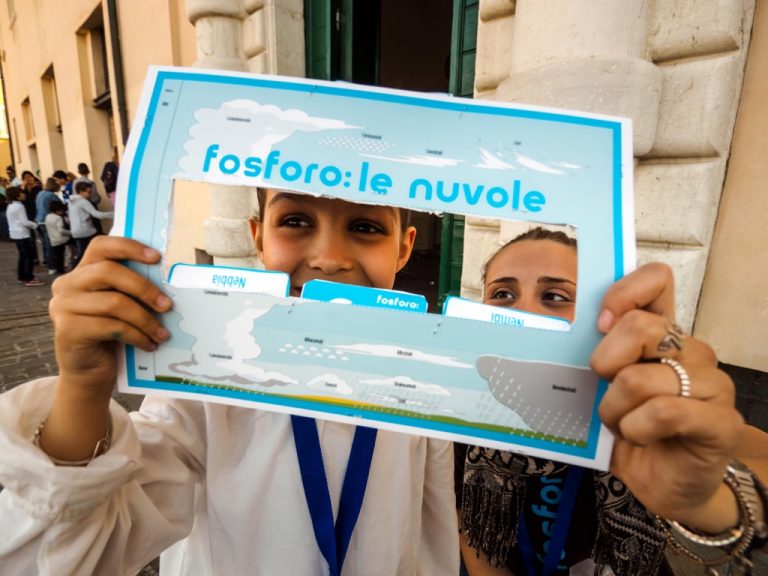
Cloud hunting
Cirrus, cumulus or nimbus? Which clouds are passing over our heads? A science communicator will guide us in discovering the features of the sky, and then together we’ll build “the cloud finder”, the ideal tool for observing and recognising clouds.
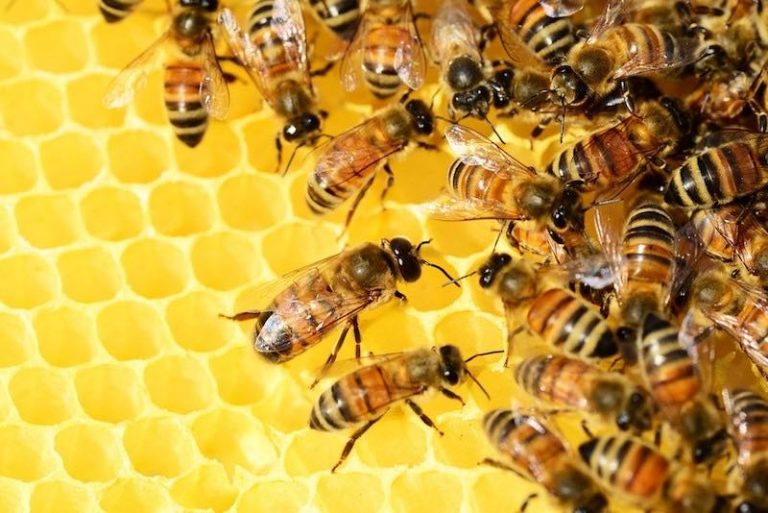
Bee organized
Step inside a honeycomb and get a close-up look at the products and curiosities of a highly specialised world: honey, dances, architecture and much more.
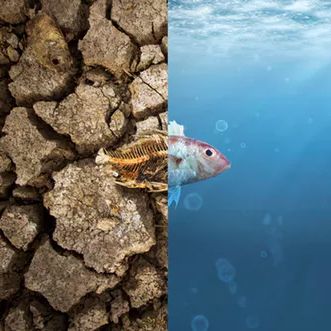
Climate change
A journey from Antarctica to the Equator to better understand climate change on our planet. Together we’ll investigate the causes and effects of global warming just as scientists do: with experiments!
Evolution game
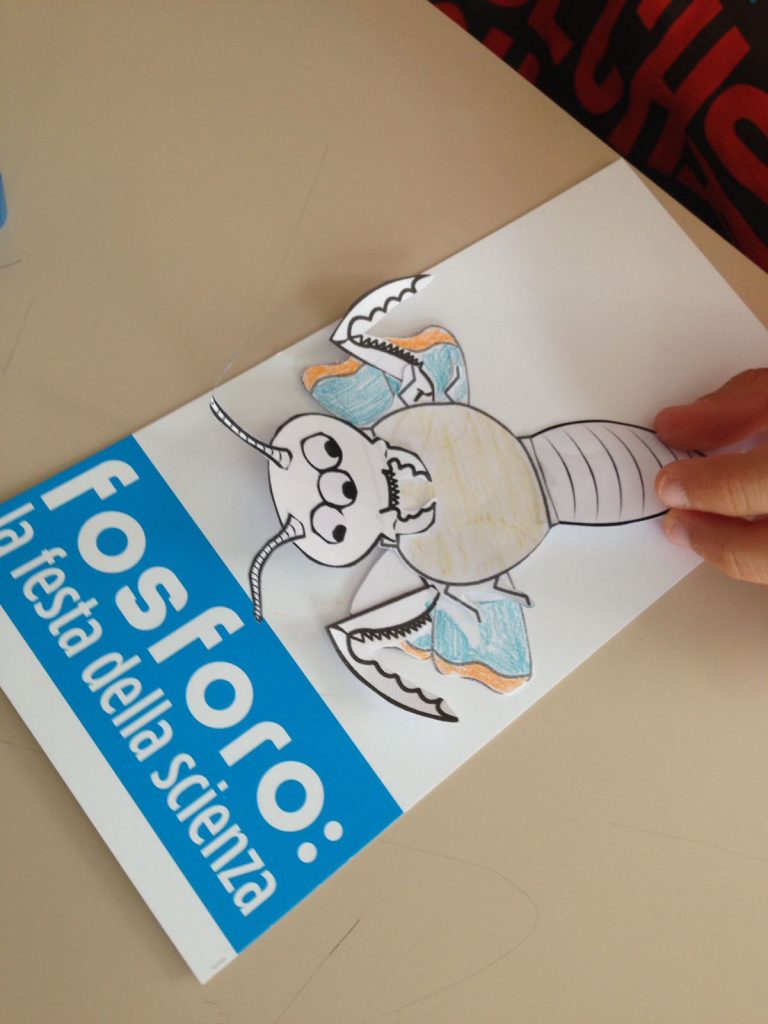
A game based on evolution, in a world inhabited by different species of insects that must survive through a series of eras. Each participant will shape their own population and make it evolve over time, overcoming famines, genetic mutations and catastrophes. The fittest, not the strongest, will survive.
Let’s infect the human body
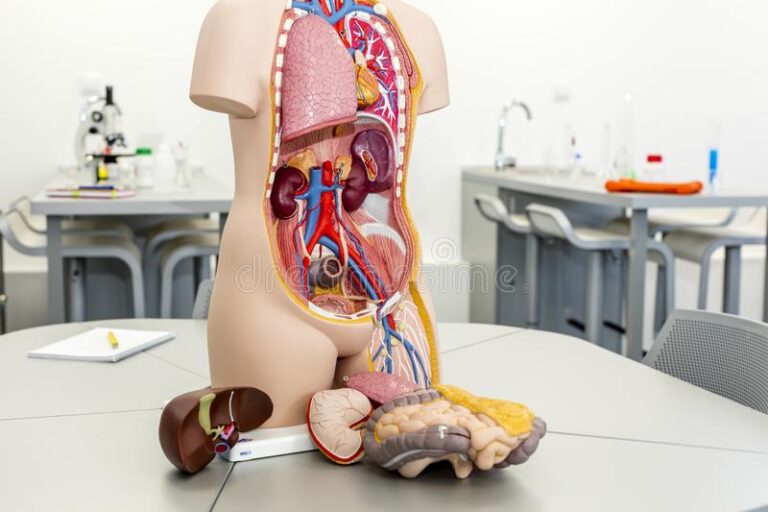
Is it really that easy for a bacterium to infect our body? Let’s find out by becoming infectious agents ourselves, trying to reach our host’s internal organs while getting past all the immune defences!
The secret communication of the woods
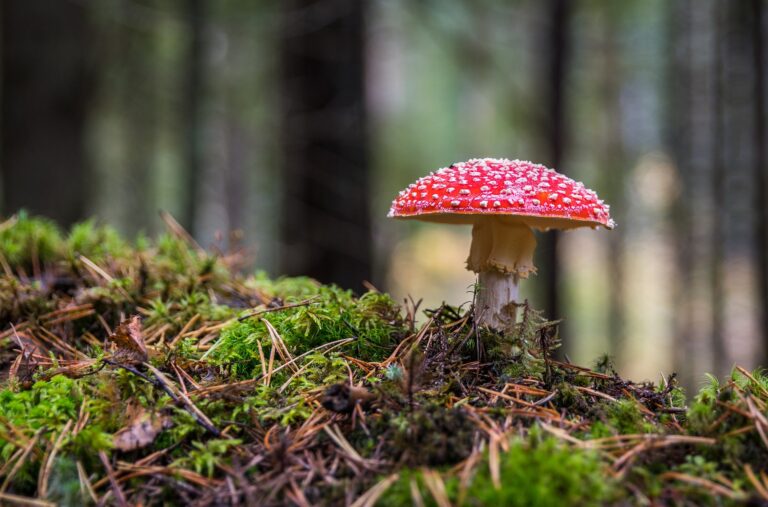
In the woods every plant, every animal and even every mushroom has something to say. But how do they talk to each other? By day and by night, right before our eyes, a silent conversation goes on that keeps the whole ecosystem alive. Let’s discover the mysterious languages of nature together and learn to listen to what the woods have to tell us.
Micromonsters or microorganisms?
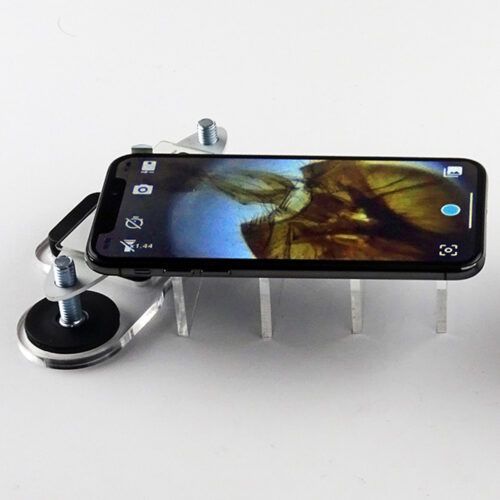
Starting from a drop of water taken from a plant saucer or from moss, we’ll take a close look at the spectacular microorganisms around us that populate the Earth. We’ll understand how life thrives under certain conditions of temperature, oxygen and nutrients, and how it struggles in others. The activity uses special microscopes.
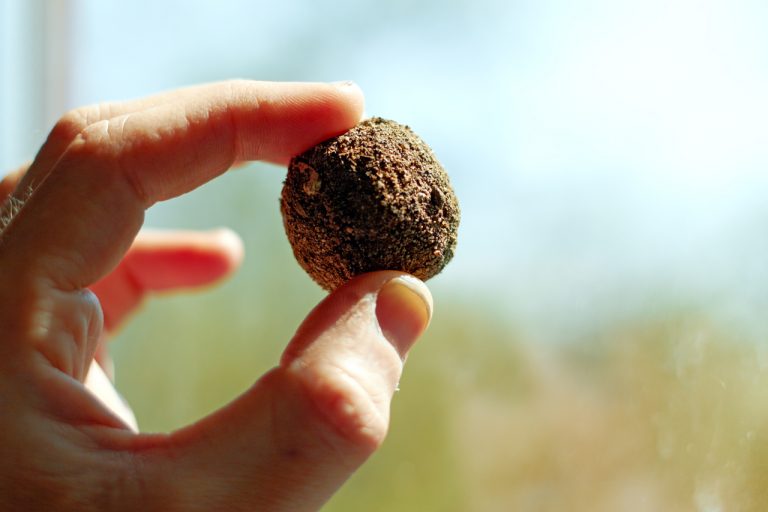
Seed bombs
Colouring the city, fighting grey with an explosion of nature: that’s the mission of seed bombs! Little “bombs” of seeds ready to turn flowerbeds, parks and street corners into green spaces full of life. In this workshop we’ll discover how a plant is born and what a seed needs to sprout, and we’ll make our own seed bombs to throw… with care and imagination!

Thunder, lightning and thunderbolts
Step inside a cloud to discover its secrets? Nothing could be easier! A journey full of experiments to recreate the most spectacular phenomena that happen in the sky: snow, rain, tornadoes, lightning and the northern lights.
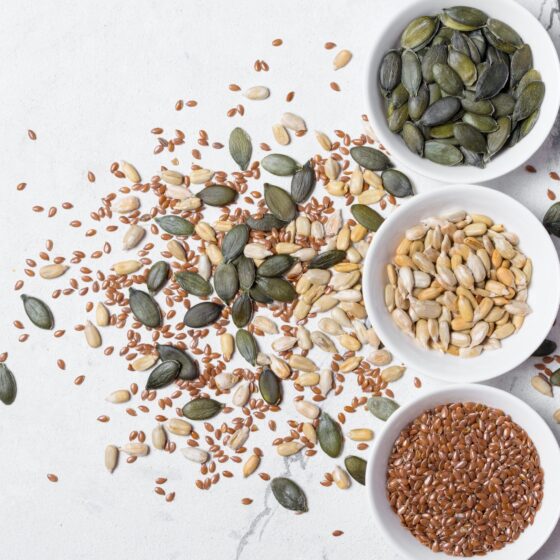
Genius seeds
Seeds and their amazing strategies for getting around without wings or legs. Discovering the life, the journeys and the genius choices made by plants all over the world.
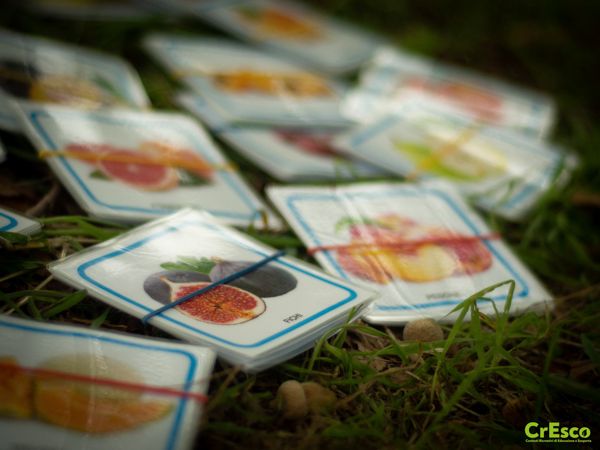
Seasonality and nutrients
Fruit and vegetables are foods full of nutrients, great for our body. But where does all the variety of food on our tables come from? And are the choices we make at the market all the same? Let’s discover the beauty of seasonality, and understand the sustainability of our food choices and how to reduce our environmental impact.
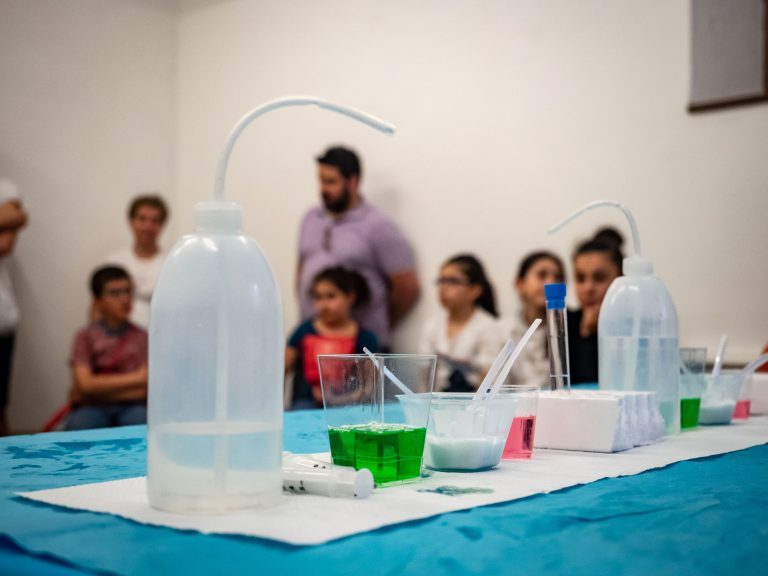
DNA supermarket
Discover what makes us unique! In this workshop we explore genotype and phenotype, from blue eyes to unruly curls and inherited traits. And to finish, an experiment for real scientists: we extract DNA from fruit with our own hands. Genetics has never been so much fun!
A sea of life
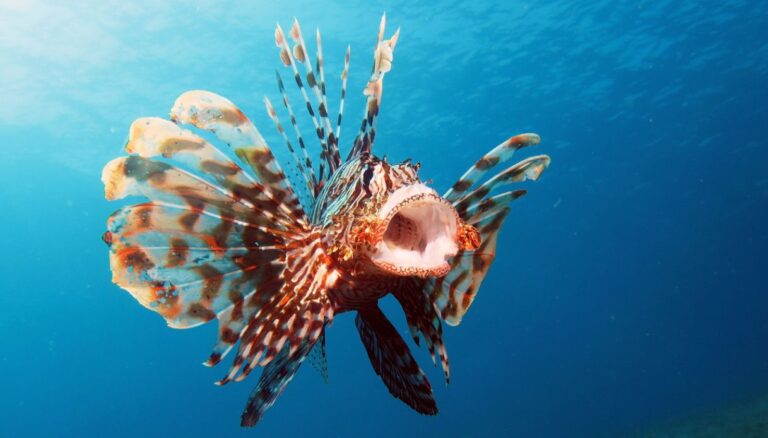
Beneath the waves lies an amazing world full of life: from the colourful fish near the surface to the mysterious creatures of the deep. Even though we know more about the Moon than about the seabed, the sea is full of secrets waiting to be discovered. On this journey we’ll explore marine ecosystems, building our own book of the sea together, to understand how they work and what challenges they face today to survive.
Sight, touch and brain
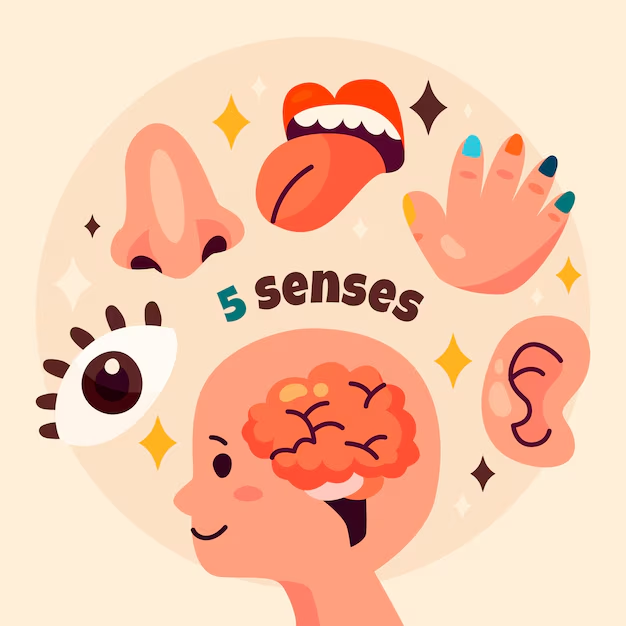
Not everything we see or touch is as it seems. Sometimes it’s the brain itself that alters the sensations in our head. But why? And where is the line between reality and illusion? Let’s dive into the world of perception to uncover the tricks played by our own mind.
Tinkering and engineering
Flight tinkering
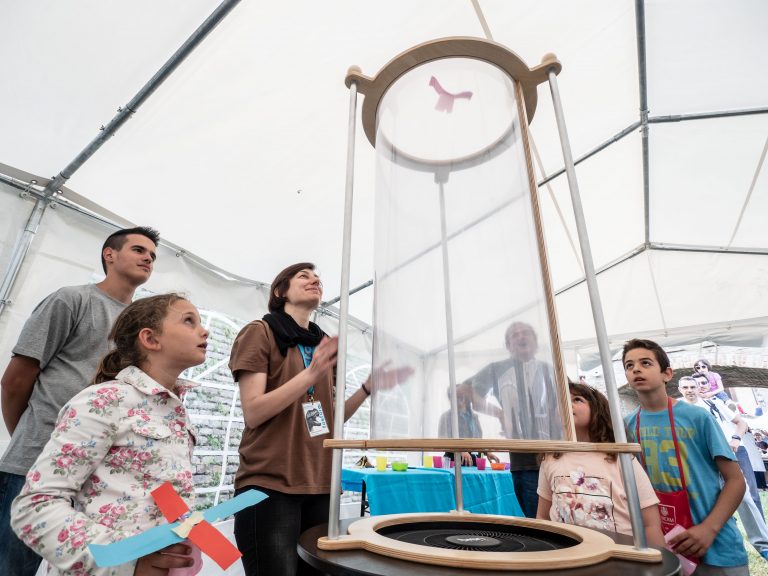
What shape does an object need to fly? How heavy should it be? How should the weight be distributed? With this tinkering activity we’ll answer all these questions by experimenting with our own hands, building, adapting and shaping our flying objects, and then watching them fly in the wind tunnel!
Tinkering: scribble machine
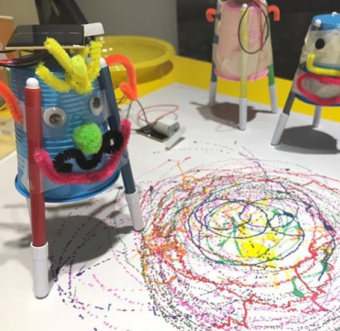
A motor, two batteries, a few felt-tip pens: that’s all you need for a scribble machine, the rest is in our heads! A chance to compare ideas, reflect, invent and share projects with the person next to you, with a single goal: to scribble all over our sheet of paper!
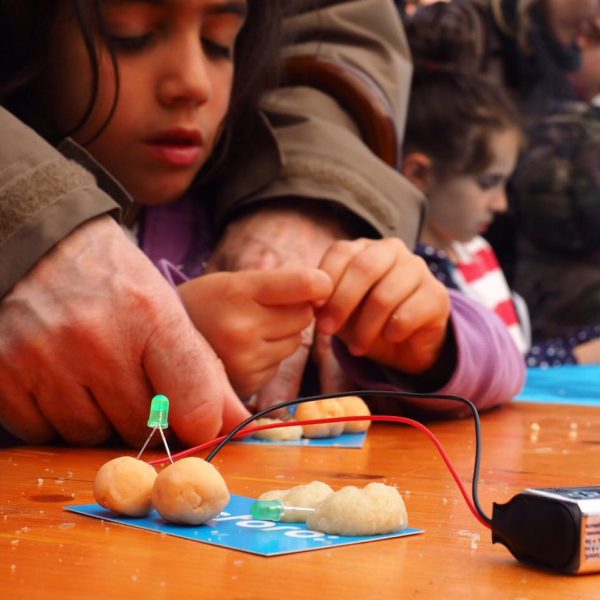
Tinkering: soft circuits
Discovering electric circuits through creativity and the tactile pleasure of modelling dough, in a blend of art, science and technology.
Art and perception
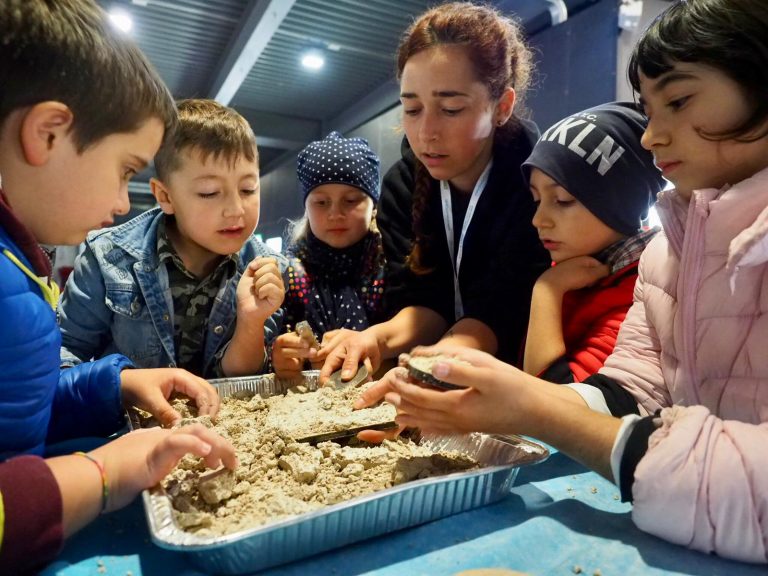
Future archaeologists
FOR ALL CLASSES – to be done outdoors
Rome was the cradle of our culture and we want to rediscover it by becoming archaeologists for a day. Excavations, history and reconstructions will bring the activity to life for a real Indiana Jones experience!
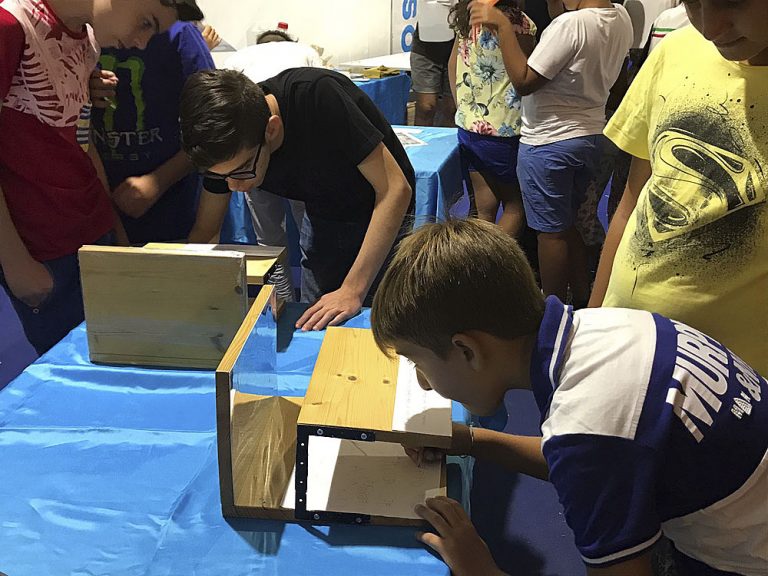
A question of perspective
Art and mathematics meet through perspective. A fascinating cross-curricular pathway that will lead the pupils to build a real miniature Ames room. Thanks to the distorted room, they will be able to experience the complex and fascinating world of perspective.
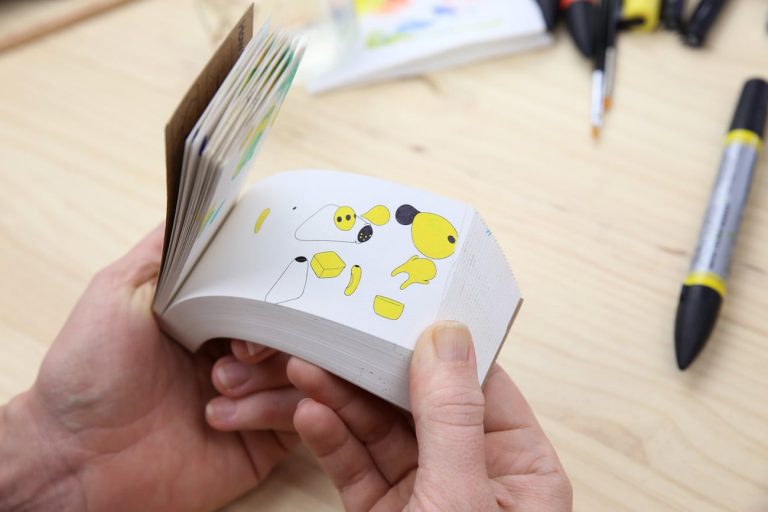
Flip book
The illusion of movement contained in a small home-made book. In a world governed by our senses, understanding how our perceptions work is essential. We’ll go back to the origins of cinema to uncover the secrets of moving images and build a flipbook together.
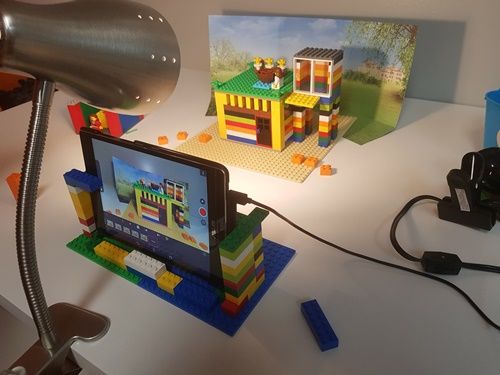
Stop motion
Ready to direct a short film? Using various kinds of materials, children will be able to show a scientific fact in just a few seconds of stop-motion animation. Lights, camera, action!
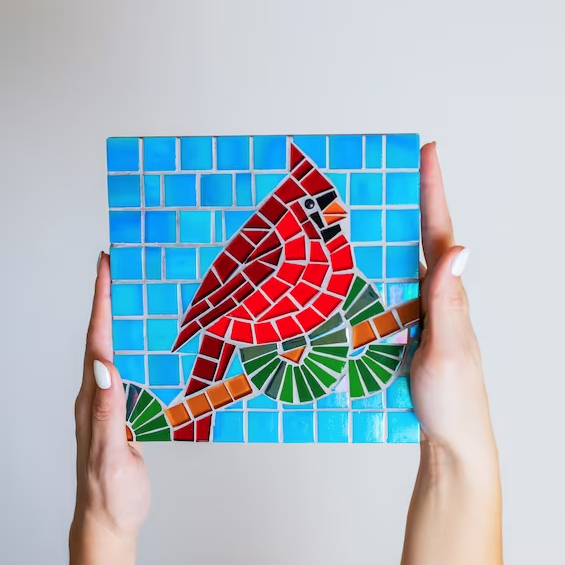
Pixelsaic
Today we are surrounded by mosaics made of pixels: the tiny, imperceptible tiles that make up images. Whereas in the past all kinds of coloured tiles were used, today we use pixels and dots of ink, but the technique is basically always the same: the mosaic.
Physics, chemistry and astronomy
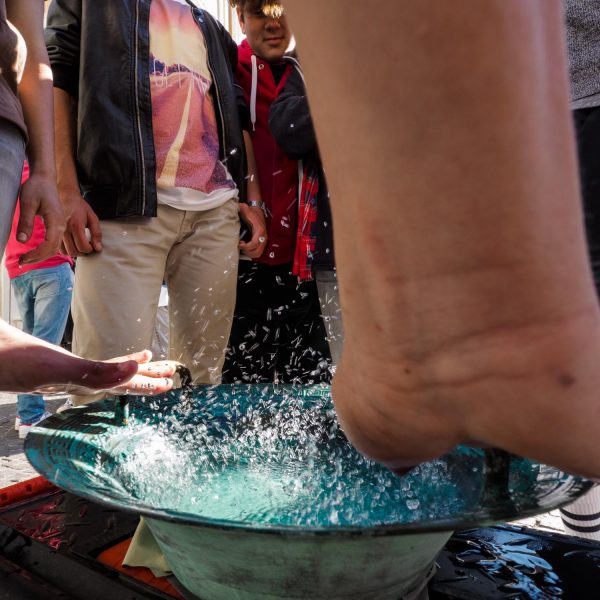
Water
So natural, yet so full of surprises. A journey inside a water molecule, full of experiments to better understand all its features: its state, colour, properties and conductivity.

Aerodynamics
Discover how humans learned to make their creations fly by studying the nature of birds and air currents, until they managed to travel around the world on two wings, or more!

Balance and centre of gravity
Starting from the basics of physics, with balance and centre of gravity, together we’ll discover where Italy’s centre of gravity is! We’ll find out how to locate the centre of gravity of an irregular shape, and how to build an object that can balance perfectly on the tip of a finger!
Light
The white light that reaches our planet from the Sun is made up of many colours combined: build a spectroscope and you’ll be able to see them all. A workshop to discover light and its fascinating variations.

Astrolabe
Take the starry night home with you. Let’s explore the main constellations in our sky and discover the fascinating myths behind them. Together we’ll build an astrolabe to find our way around the celestial vault and locate the main constellations.
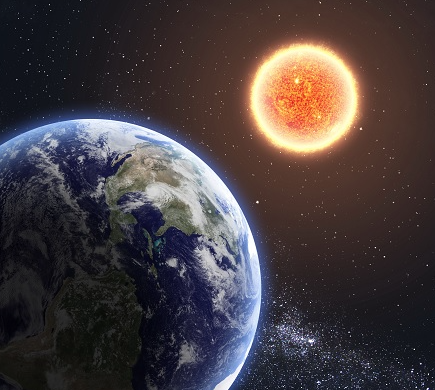
Sun, Earth, Moon
We start with a globe and a light bulb to try to understand how our planet moves. With seasons, equinoxes, eclipses and motions, we’ll try to understand how we can be sure that the Earth is round and that it orbits the Sun, and not the other way round! Clouds permitting, we’ll also have the chance to observe the Sun with a solar telescope!

Solar system
How much do we know about the other planets in the universe? Does it really rain diamonds on some of them? Let’s leave our atmosphere to discover the wonders of the solar system and create our own customised alien, trying to help it survive in space. A journey through science and imagination for young star explorers!
Maths and coding
Numberama
A new take on the classic “Guess Who?”, entirely devoted to maths: find the mystery number by working your way through riddles, maths games, historical anecdotes and (a few) calculations. You’ll discover that behind one of the most feared school subjects lie stories, daredevil lives, curiosities and unexpected links with art, music and nature.

Friendly maths
To make friends with the purest of the hard sciences, all we need is to present it through gripping puzzles and fun logic games that will show us how topology, logic and reasoning are absolutely within our reach.
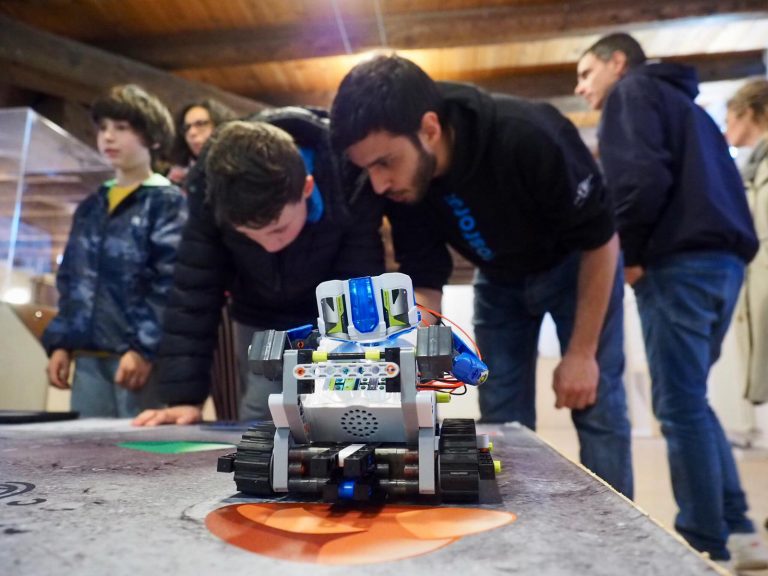
Robot arena
An area full of robots created to promote the development of computational thinking and coding. To encourage young people to become creators of technology and not just passive users. It can be played in the MOON version or the MARS version
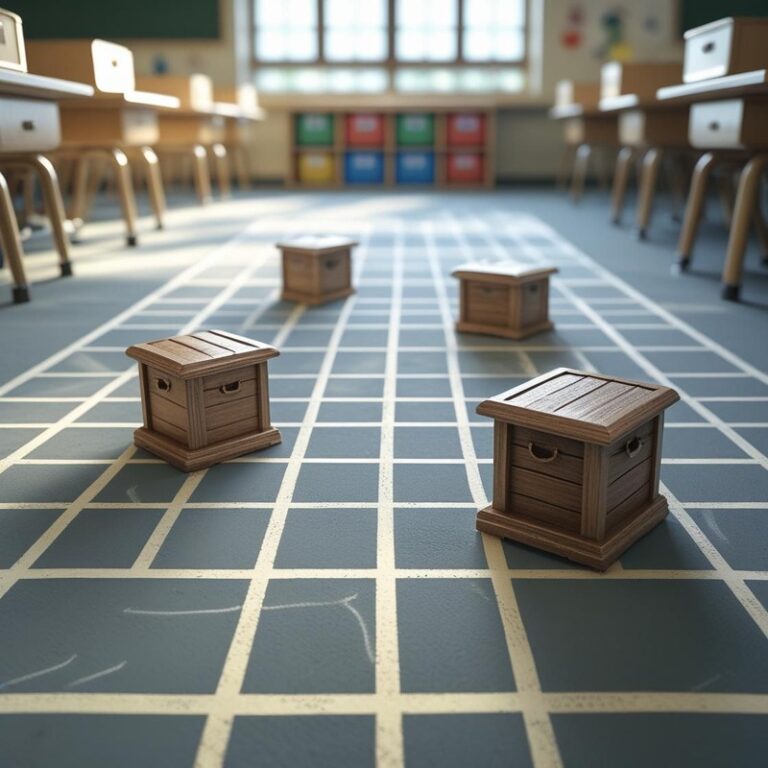
Coding unplugged
Discover the world of coding… without computers! With games, paths, riddles and coloured bricks, children learn the basic concepts of programming while having fun. A journey through logic, creativity and teamwork, for budding young programmers!