

Our activities
In all the activities we offer, participants are not just spectators of what the science communicator presents: they always play an active role. They will be invited to get their hands dirty with science, and most of the time they will take home an object that helps them remember what they learned during the activity.
Activities last 60 minutes and are designed for a group of 20–30 people. Activities marked “Drop-in” are designed to be enjoyed for a flexible length of time: participants can join at any moment and leave whenever they like.
All the materials needed for the activities are brought by the science communicator.
Click on a category to go straight to that type of activity
Nature
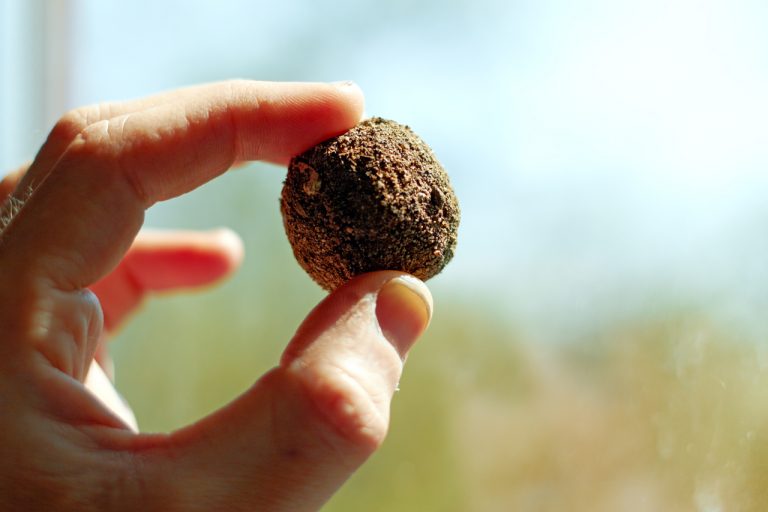
Seed bombs
Colouring the city, fighting grey with an explosion of nature: that’s the mission of seed bombs! Little “bombs” of seeds ready to turn flowerbeds, parks and street corners into green spaces full of life. In this workshop we’ll find out how a plant is born and what a seed needs to sprout, and we’ll make our own seed bombs to throw… with care and imagination!
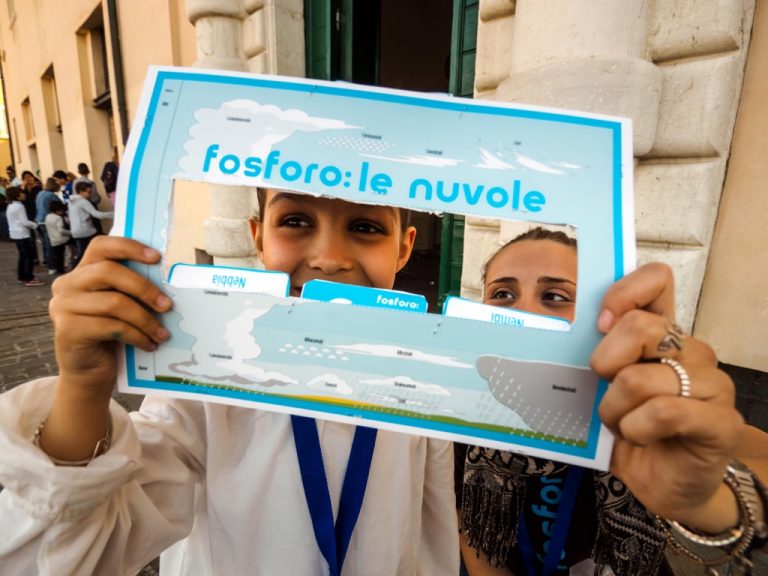
Cloud hunting
Together we’ll build a “cloud finder”, a tool for scanning the sky and working out all the different types of clouds. During the workshop the facilitator will explain all the features of the sky, and then we’ll learn how to use the “cloud finder”.

Water sommelier
Is all water really the same? Let’s find out together with a tasting of different waters, led by a facilitator who becomes a very special sommelier and will help you understand what all those values on the bottle label mean.
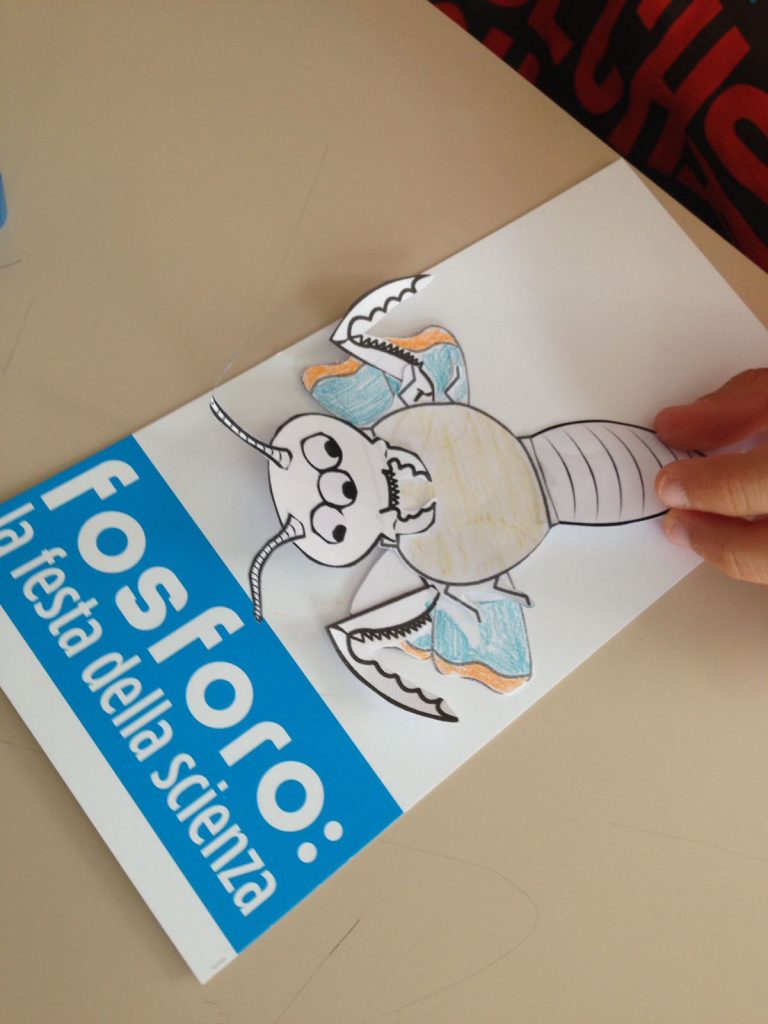
Evolution game
A game based on evolution, set in a world populated by different species of insects that must survive through a series of eras. Each participant shapes their own population and makes it evolve over time, overcoming famines, genetic mutations and disasters. The fittest, not the strongest, will survive.
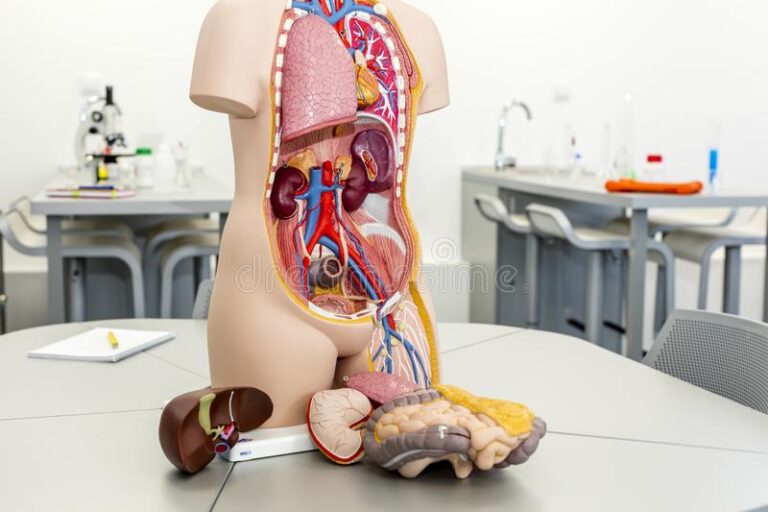
Let’s infect the human body
Is it really that easy for a bacterium to infect our body? Let’s find out by becoming infectious agents ourselves, trying to reach our host’s internal organs while getting past all its immune defences!
Survivor game
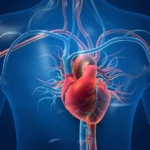
Are you ready to survive extreme situations? Find out with an adventure quiz full of challenges and twists! Between racing heartbeats, split-second decisions and fun facts about the heart and blood vessels, we’ll learn how our internal engine works. Adrenaline and science at your fingertips!
A sea of life
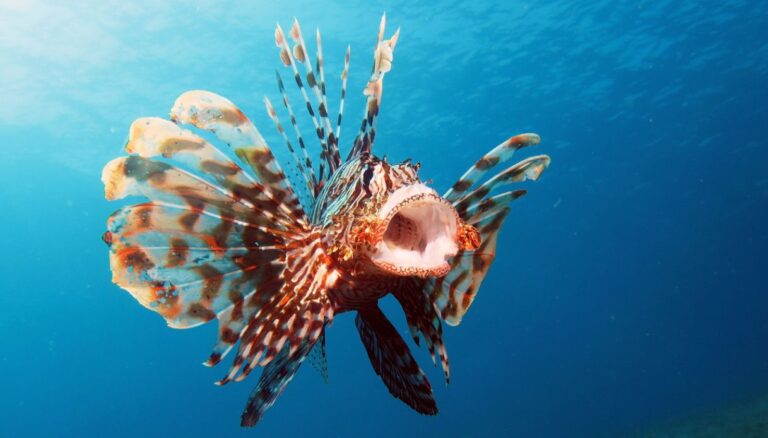
Beneath the waves lies an amazing world, full of life: from the colourful fish near the surface to the mysterious creatures of the deep. Even though we know more about the Moon than about the seabed, the sea is full of secrets to discover. On this journey we’ll explore marine ecosystems, building our own book of the sea together, to understand how they work and what challenges they face today to survive.
Seasonality and nutrients
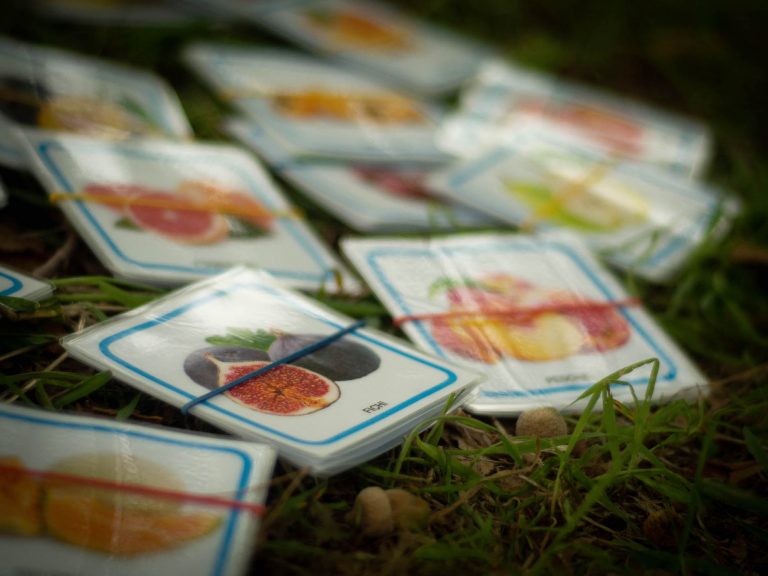
Fruit and vegetables are full of nutrients and great for our bodies. But where does all the variety of food on our tables come from? And are all the choices we make at the market the same? Let’s discover the beauty of seasonality, understand how sustainable our food choices are and learn how to reduce our environmental impact.
Eggs, flour… and science!
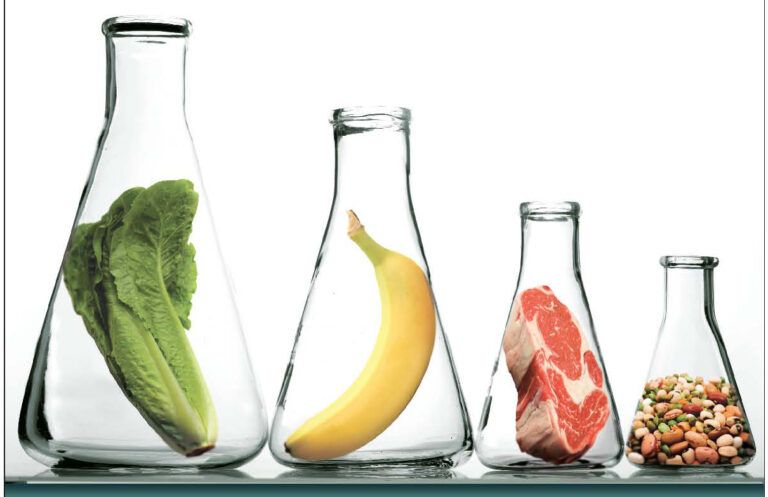
Do you know what’s really on your plate? In this workshop we uncover the secrets of nutrition by playing with colours, smells and little experiments. We’ll get to know different foods and their properties and learn to make healthy choices… having fun like little scientists of taste!
Physics, chemistry and astronomy
DNA supermarket
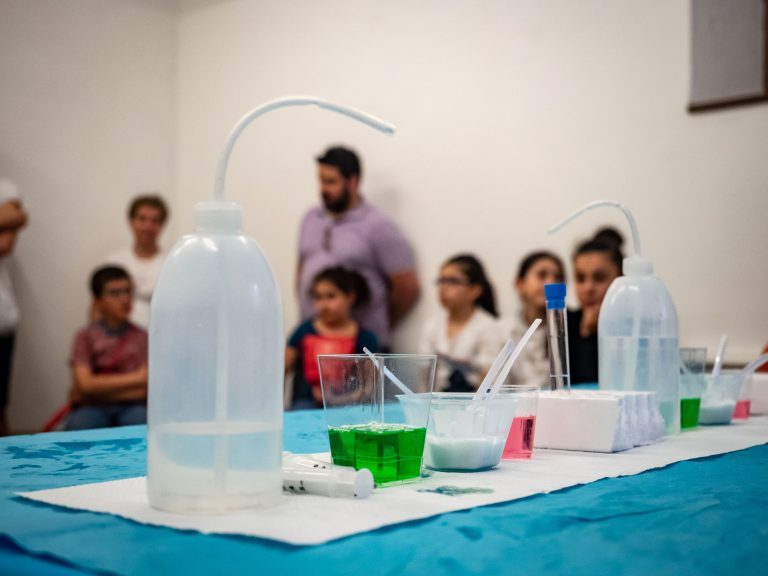
Discover what makes us unique! In this workshop we explore genotype and phenotype, from blue eyes to unruly curls and inherited traits. And to finish, an experiment for real scientists: we extract DNA from fruit with our own hands. Genetics has never been so much fun!

Air explorers
Discover how humans learned to make their creations fly, by studying birds and air currents, until they managed to travel around the world on two wings, or more!

And there was light
The white light that reaches our planet from the Sun is made up of many colours combined: build a spectroscope and you’ll be able to see them all. A workshop exploring light and its fascinating variations.
Astrolabe
Take the starry night home with you. We’ll explore the main constellations in our sky and discover the fascinating myths behind them. Together we’ll build an astrolabe to find our way around the night sky and locate the main constellations.
Eyes on the Moon
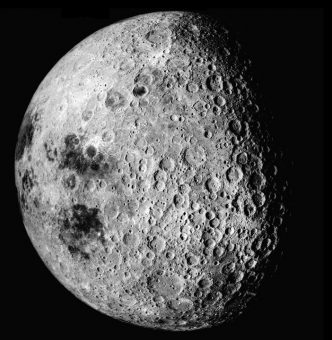
Ready to fly to the Moon? In this workshop we discover its phases, the mysteries of its surface and how to observe it in the sky. With models, games and space stories, we’ll explore our fascinating satellite… with our feet on the ground and our eyes on the sky!
Chasing the Sun
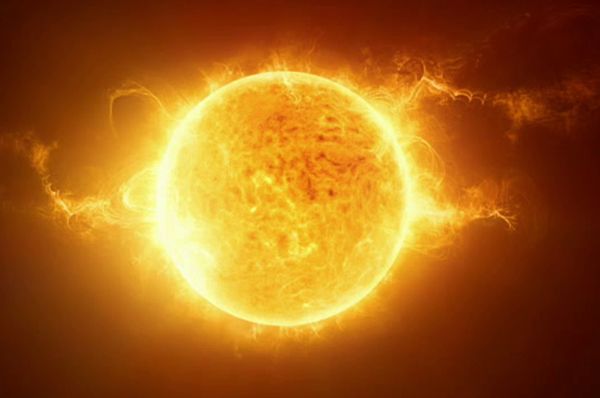
The Sun isn’t just for getting a tan! In this workshop we find out how it moves across the sky, build a real sundial and put it to the test. And then, with a telescope, we take a close look at our star! A journey through time, light and wonder!
Art and perception
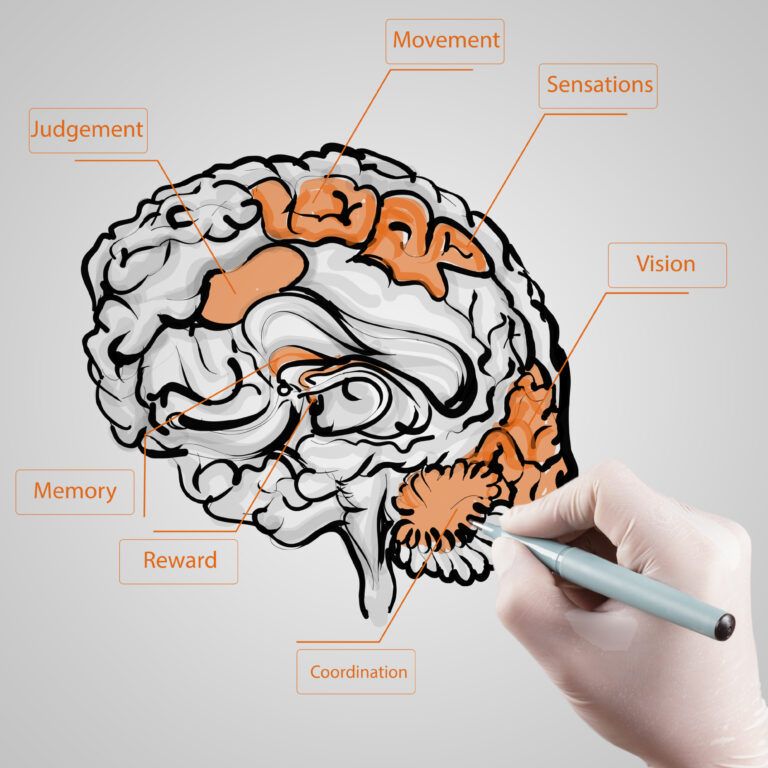
Illusions and perception
Let’s discover how our control centre works and how it reacts to sensory hallucinations! We’ll build a brain-shaped hat to identify the areas that light up when we draw, when we talk or when we’re having fun!
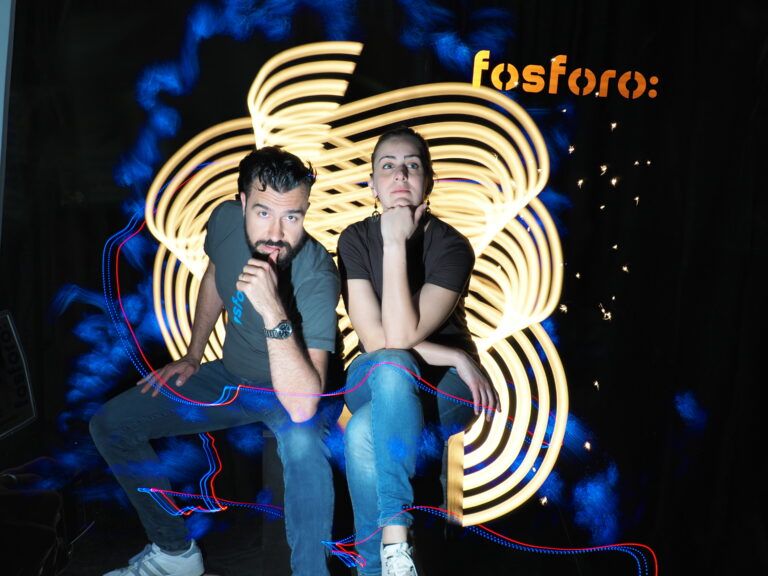
Light painting
Light painting means drawing with light! A micro-world of creativity for bringing striking images and illusions to life using a camera, a light source and a bit of practice.
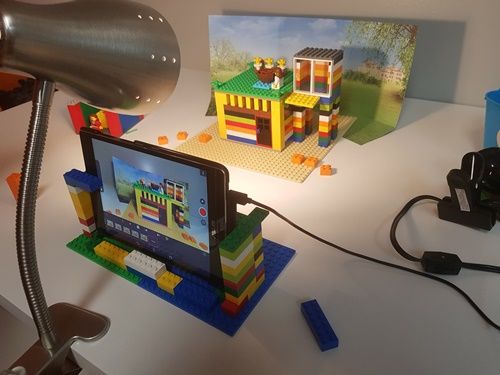
Stop motion
Ready to direct a short film? Using various kinds of materials, children will be able to show a scientific fact in just a few seconds of stop-motion animation. Lights, camera, action!
Maths and coding

Friendly maths
To make friends with the purest of the hard sciences, all we need is to present it through gripping puzzles and fun logic games that show us how topology, logic and reasoning are well within our reach.

Break the bank
To win or to lose is the eternal dilemma: we are driven to hope beyond all reasonable doubt, looking for a possible outcome that maths itself tells us is practically unattainable. Let’s shine the harsh, relentless light of mathematics on some of the most popular games of chance.
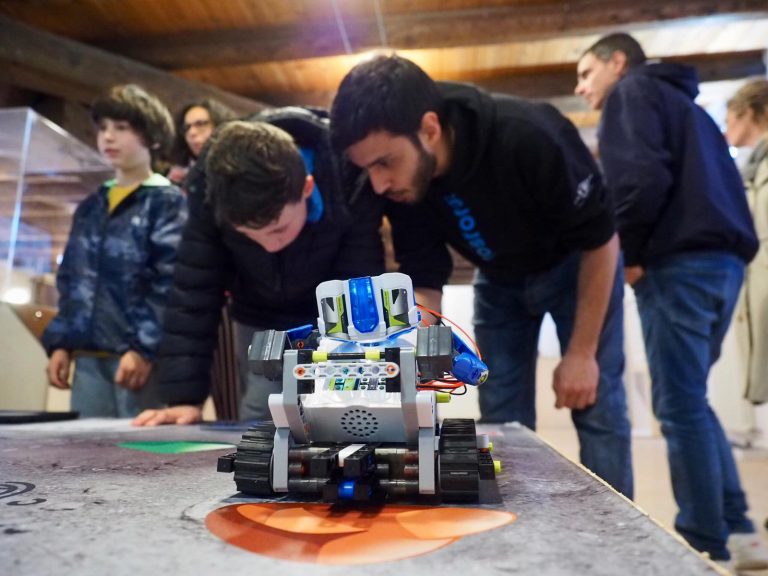
Robot arena
An area full of robots created to promote computational thinking and coding, encouraging young people to become creators of technology and not just passive users. It can be played in the MOON or MARS version

Top secret
The content of this workshop is secret. Only experts in maths and cryptography can access it and decipher all the necessary information. If you’re interested, book it!
Create your own video game
Tired of the same old video games? Let’s learn to program one of our own! With the help of some software and a few instructions, we’ll lay the foundations for a brand-new, fully personalised video game that you can play at home, with friends, or even at school with your classmates! Ready? Let’s code!

Economics
Money and banknotes, but also trade, bartering and strategy: this is the world of economics. Let’s step into it with this activity, which will get us thinking about how to make strategic choices for our own business.
Tinkering and engineering
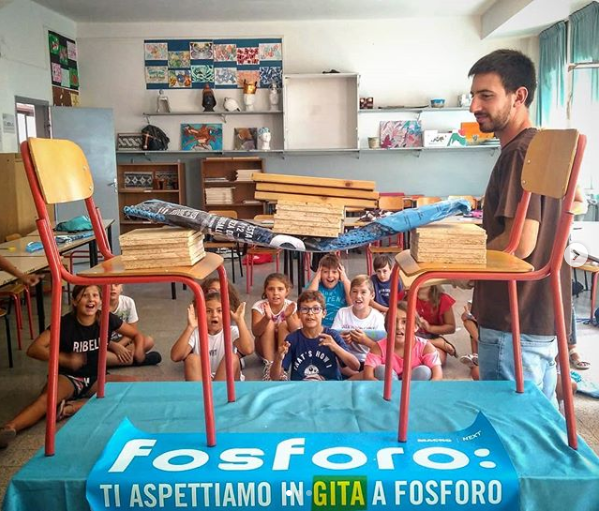
Bridges and structures
There are many techniques for building a bridge, but all bridges follow precise physical laws so they don’t collapse. Let’s try building a bridge and testing how much weight it can hold: the results might really surprise us!
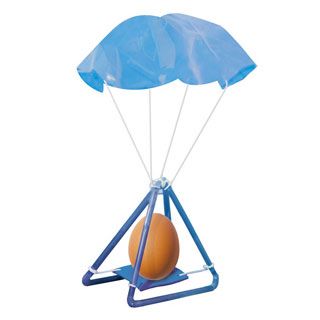
Egg challenge
Can you save the egg? In this team workshop, using all kinds of materials, you’ll have to design an ingenious protection so you can drop it from various heights… without breaking it! With challenges, creativity and laughter, science puts your ideas to the test!
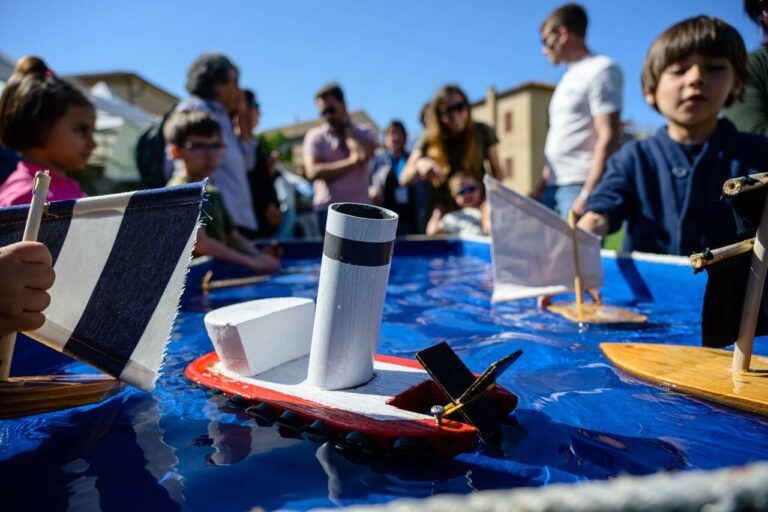
Sink the boat
How do boats float, even though they’re made of iron? What’s the difference between a yacht and a raft made of poles and ropes? Let’s find out together by building our own boat, floating it in the tank and loading it with weights to see how much it can take!
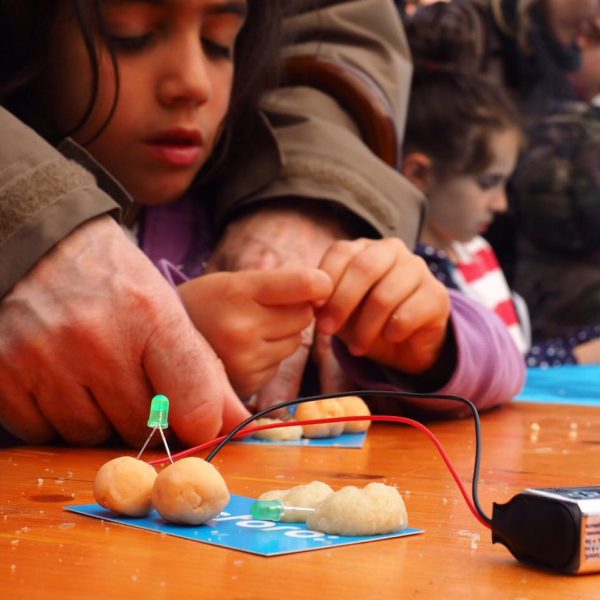
Soft circuits
Discovering electrical circuits through creativity and the tactile pleasure of modelling dough, in a blend of art, science and technology.
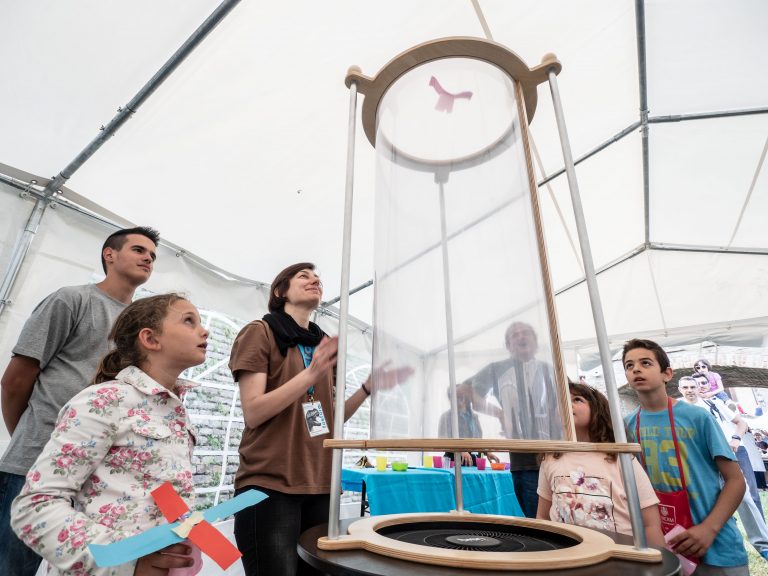
Flying objects
What shape does an object need to take flight? Let’s find out by experimenting with our own hands, building, adapting and shaping our flying objects, and then watching them fly in the wind tunnel!
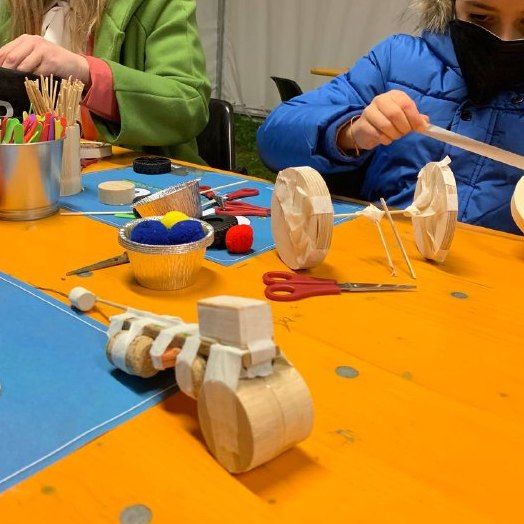
Crazy wheels
Wheels, cogs and imagination. An exciting challenge to design, build and test the most efficient contraptions to roll down a ramp. A workshop where “wrong” doesn’t mean incorrect, but “an attempt”.
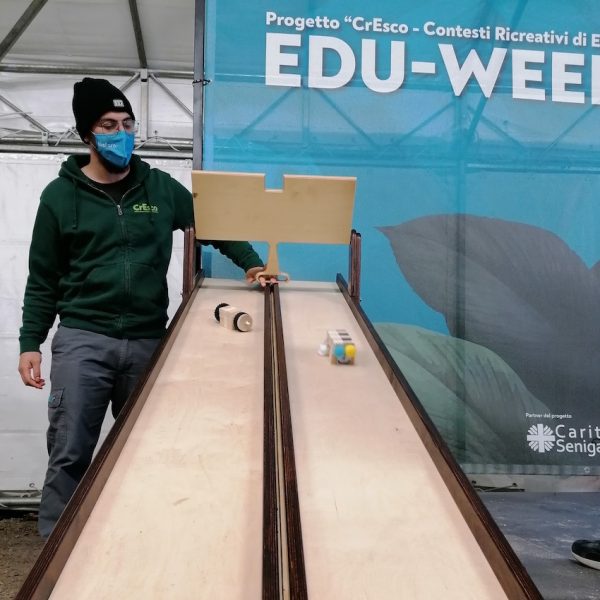
Climb the ramp
A handful of parts at your disposal and a gauntlet thrown down. Can you build a contraption that climbs up a ramp? All without instructions? Creativity, simplicity and plenty of testing are the ingredients for success.
Drop-in
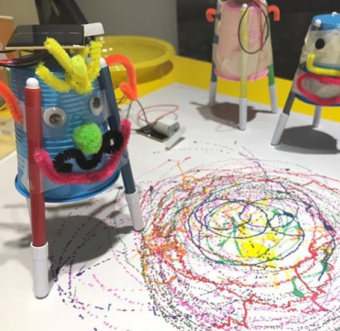
Scribbling machines
A motor, two batteries, a few felt-tip pens: that’s all a scribble machine needs, the rest is in our heads! A chance to compare notes, reflect, invent and share projects with the person next to you, with a single goal: to scribble all over our sheet of paper!
Crazy wheels
Wheels, cogs and imagination. An exciting challenge to design, build and test the most efficient contraptions to roll down a ramp. A workshop where “wrong” doesn’t mean incorrect, but “an attempt”.
Soft circuits
Discover how electricity works… by playing with dough! In this workshop we build circuits using a special conductive dough, learning the difference between conductive and insulating materials. Every child creates their own electrifying handmade object!
Flying objects
What shape does an object need to fly? How heavy should it be? How should the weight be distributed? With this tinkering activity we’ll answer all these questions by experimenting with our own hands, building, adapting and shaping our flying objects, and then watching them fly in the wind tunnel!
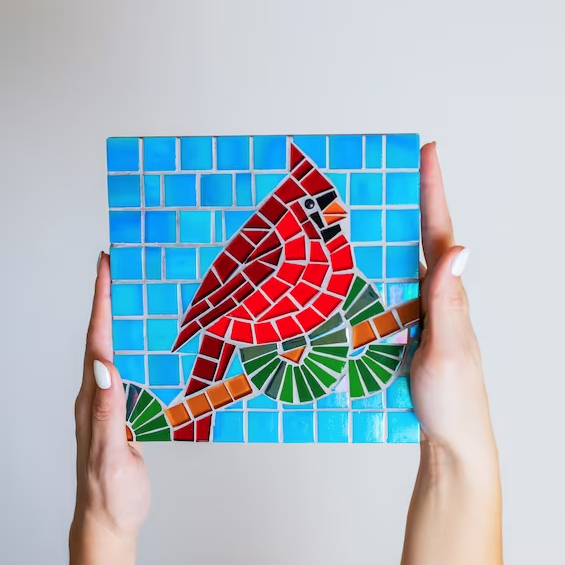
Pixelsaic
Today we are surrounded by mosaics made of pixels: the tiny, imperceptible tiles that make up images. Where once people used all kinds of coloured tiles, today we use pixels and dots of ink, but the technique is basically still the same: mosaic.
Discussion games
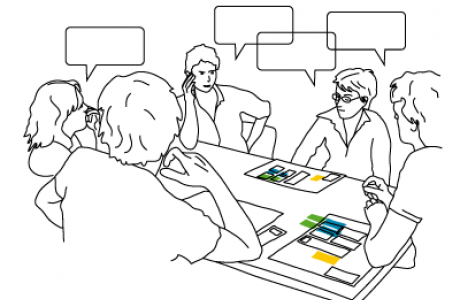
Play Decide: PlayDecide is a card game based on group discussion, designed to tackle complex topics, often related to science and society, in a simple and informed way. It is structured to encourage discussion, reflection and reaching a consensus, ideal for schools, debates or informal settings.
Climate refugees
Every year tens of millions of people are forced to migrate because of the effects of climate change. These numbers are set to rise as the climate crisis we are facing gets worse.
Artificial intelligence
Artificial intelligence is rapidly changing the world, for better and for worse. More and more AI-based expert systems promise to change the way we live, work and interact with one another, and in many cases they are already changing it.
Reuse, repurposing and upcycling
Among the environmental problems we currently face, we cannot fail to mention waste, the future shortage of raw materials for producing goods, and our excessive use of certain resources, such as water and energy, that production chains depend on. One of the possible solutions to the problem is certainly reuse, which means giving a new life to objects that would otherwise end up as waste.
Water: blue gold
Water is a limited resource on our planet, and it is unevenly distributed. A complex set of factors – including the waste caused by our development model, the ever-increasing consumption by agriculture and industry, population growth and climate change, which is making areas already naturally short of water ever drier – means that the “water problem” is increasingly pressing and worrying. In some parts of the world, ownership and use of water have long since sparked real conflicts between states.
Climate change
Through our activities, we humans have a growing influence on the climate and on the Earth’s temperature. The development of industry, increasingly intensive agriculture, the use of fossil fuels such as oil, modern lifestyles and many other factors are responsible for a rising concentration of gases and chemical compounds in the atmosphere, which are altering and intensifying the planet’s natural greenhouse effect.
Climate refugees
It is estimated that every year tens of millions of people are forced to leave their homes because of the consequences of climate change. These numbers are set to rise as the climate crisis we are facing gets worse.
Young people and the mass media
Social media play a fundamental role in modern society, shaping the way we communicate, access information and take part in public life. They can promote freedom of speech, connect communities and drive social change.
Animal testing
In European countries, as elsewhere, animal testing in biomedicine is the subject of heated debate. On one side, there is the wish to find new and more effective drugs and treatments. On the other, there is the desire to avoid the death and suffering of animals in pursuit of this goal. Although alternatives to animal testing are increasing, it is not yet possible to rule it out completely. But how far are we allowed to go to improve our health?
Stem cells
How far is it right to go in order to heal? The debate on stem cells swings between the hope of regenerative medicine and respect for the human embryo. This discussion weighs the value of nascent life against the duty to cure, prompting reflection on the moral responsibility of science towards the future of humanity.
Neuroscience and brain enhancement
Drugs created to treat diseases are likely to be able to improve our natural abilities too. Drugs for treating Alzheimer’s disease will probably also greatly improve normal memory function. Stimulant drugs, now used to treat children with attention deficit hyperactivity disorder, also increase the ability of the “normal” brain to concentrate. Even our emotional state can be enhanced.
Nutrition and healthy lifestyles
Eating is both a political and a biological act. Beyond simple calorie counting, our lifestyle reflects our balance with the environment. This discussion explores the ethics of consumption and the impact of everyday habits on global health, inviting us to reflect: are we truly aware of what fuels our days?